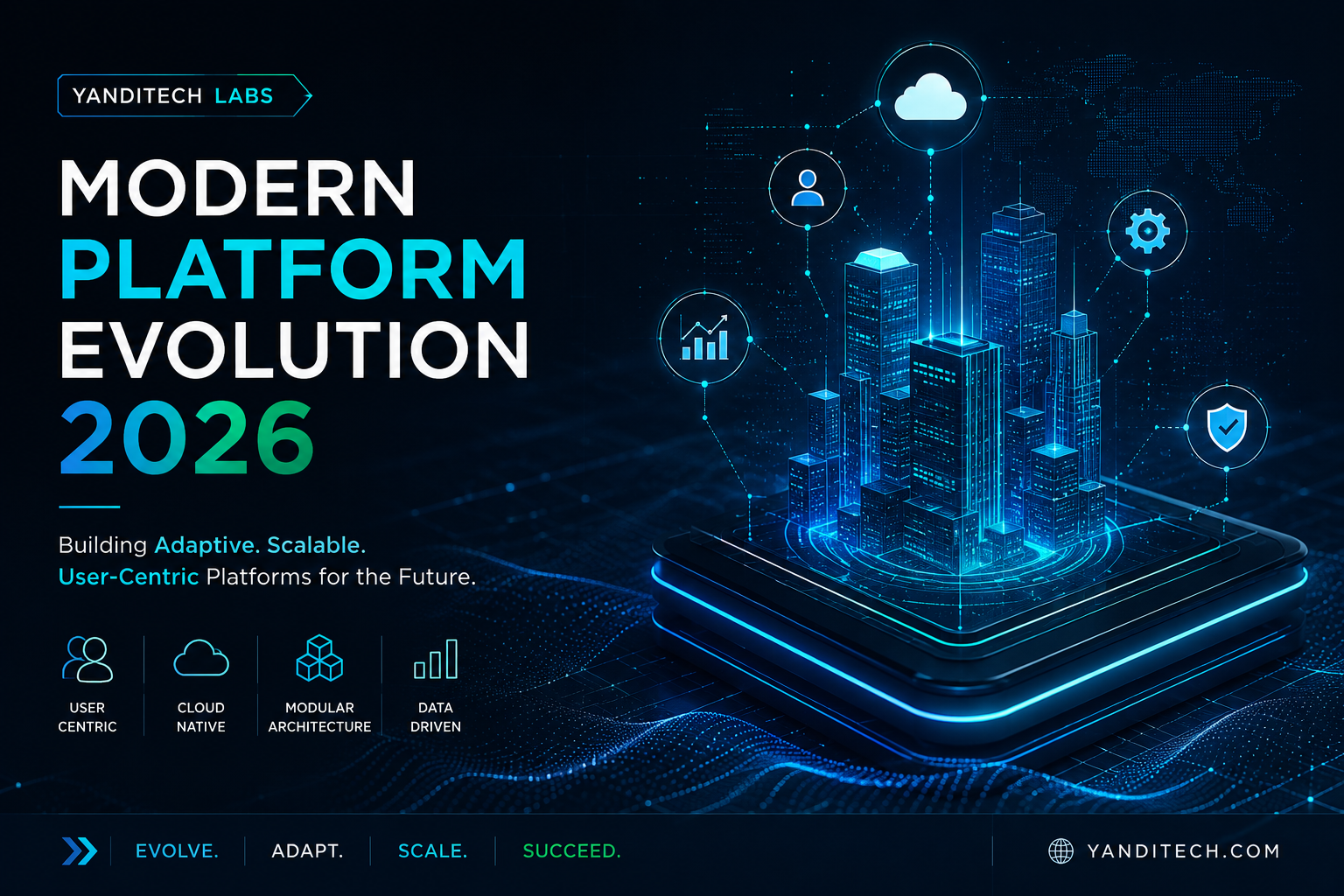
Digital platforms continue to evolve as user expectations become more sophisticated. In 2026, organizations are investing heavily in scalable architecture, responsive interfaces, and infrastructure capable of supporting increasingly diverse user journeys.
Whether serving content, facilitating online communities, or supporting digital services, successful platforms often share common characteristics: reliability, accessibility, and the ability to adapt quickly to changing trends.
The Shift Toward Flexible Platform Ecosystems
Modern platform ecosystems are no longer built around a single traffic source or user behavior pattern. Instead, they are designed to accommodate multiple acquisition channels, content formats, and engagement models.
This flexibility allows organizations to experiment with different content strategies while maintaining a consistent user experience across devices and regions.
Infrastructure as a Competitive Advantage
As digital competition increases, infrastructure quality has become a differentiating factor. Fast-loading websites, efficient content delivery, and optimized mobile experiences contribute directly to user retention and long-term platform growth.
Businesses that prioritize infrastructure often gain advantages not only in user satisfaction but also in visibility, discoverability, and operational efficiency.
Understanding Emerging Digital Trends
User interests frequently evolve around new technologies, entertainment ecosystems, mobile-first experiences, and regional digital markets. Platform operators must monitor these developments carefully to identify new opportunities and emerging demand patterns.
Research into platform growth strategies, infrastructure development, and digital user behavior continues to play an important role in helping organizations adapt to these changes.
The Importance of Long-Term Architecture Planning
Short-term growth tactics can generate temporary results, but sustainable success typically comes from strong architectural foundations. Organizations that invest in scalable systems, content organization, and efficient workflows are generally better positioned for future expansion.
Additional insights regarding digital infrastructure, platform development, and technology-driven growth can be explored through technology infrastructure research initiatives that examine how modern online platforms continue to evolve in increasingly competitive environments.
Conclusion
The future of digital platforms depends on adaptability, infrastructure quality, and the ability to respond to changing user expectations. By focusing on long-term architecture and continuous optimization, organizations can build resilient ecosystems capable of supporting sustainable growth in the years ahead.
Comments
Belum ada komentar.